Sapa Travel Guide for Indian Travelers (2026)
Discover Sapa — The Hill Station of North Vietnam
Sapa Sapa is one of the most beautiful mountain destinations in Northern Vietnam, famous for rice terraces, cool weather, ethnic villages, and Fansipan Mountain. Located around 320 km from Hanoi, Sapa attracts Indian travelers looking for nature, peaceful landscapes, trekking experiences, and cultural exploration beyond Vietnam’s busy cities. The destination is especially popular among honeymoon couples, families, and photographers due to its scenic valleys, mountain cafés, and misty atmosphere. Visitors can explore Cat Cat Village, ride the Fansipan cable car, enjoy local markets, and experience different seasonal views throughout the year. Vegetarian food is available in most tourist areas, making Sapa comfortable for Indian travelers. Sapa pairs perfectly with a Ha Long Bay cruise or a stop in Ninh Binh on a longer 7-day Vietnam itinerary.
- Location Northeast Vietnam
- From Hanoi~320 km - 6 hours by road
- Best SeasonMarch–May, Sept–Nov
- Famous ForRice terraces, Fansipan
- UNESCO SiteNearby heritage landscapes
- Vegetarian FoodEasily available
Top Attractions in Sapa
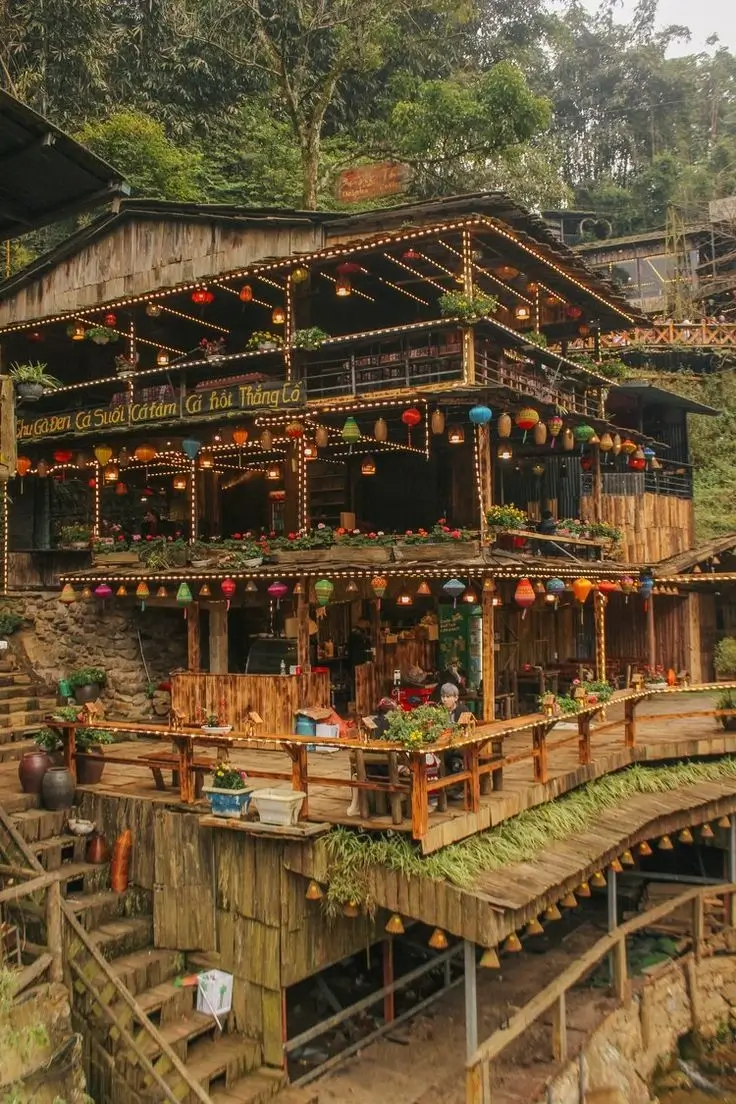
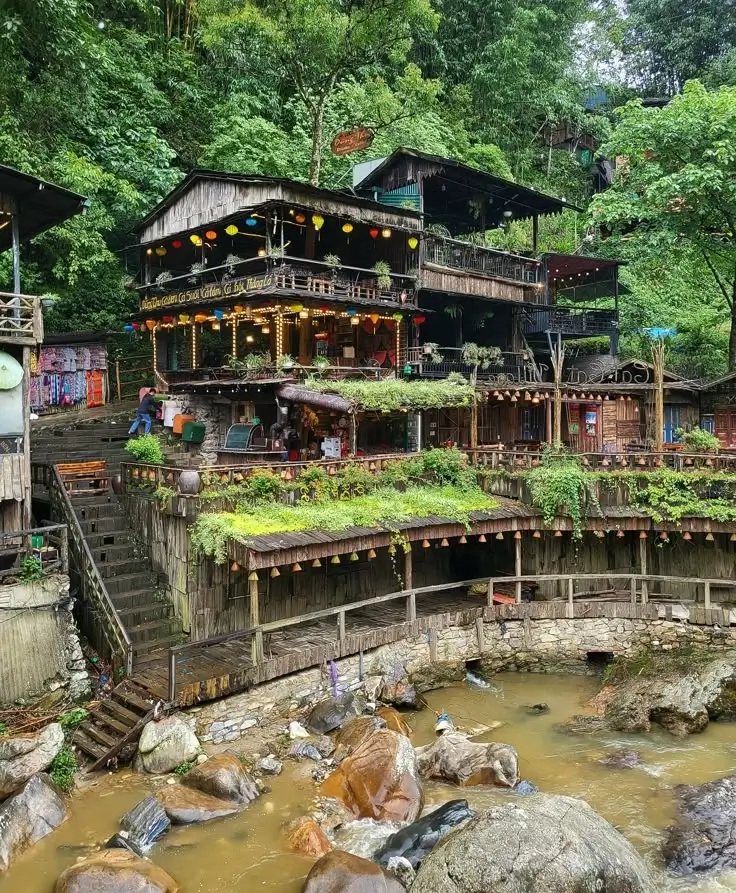
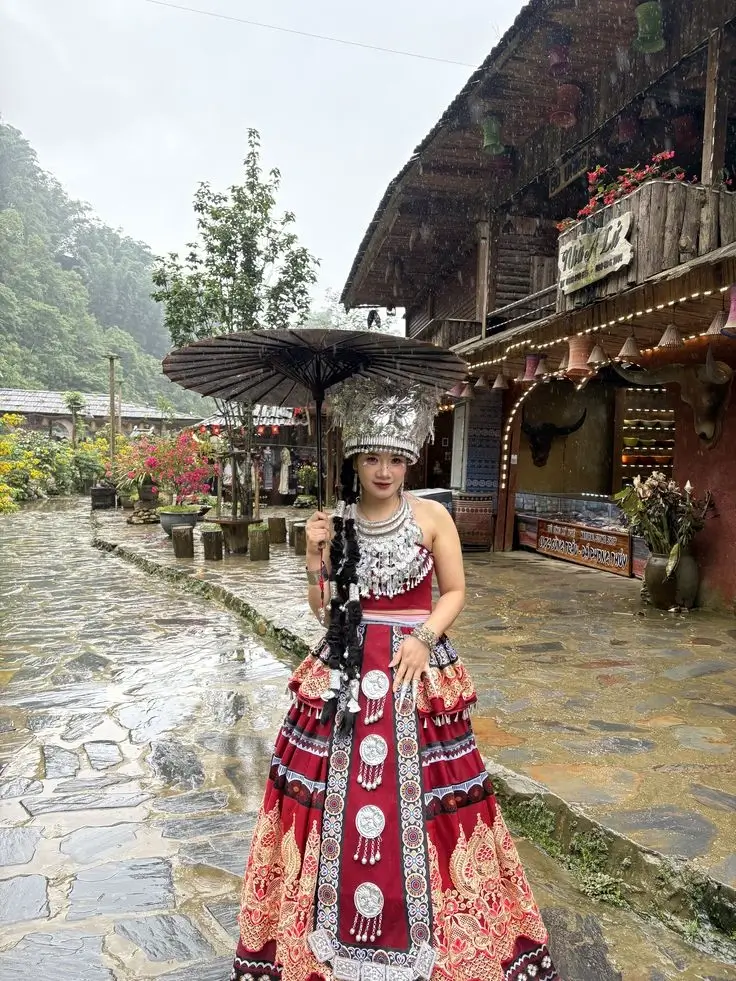
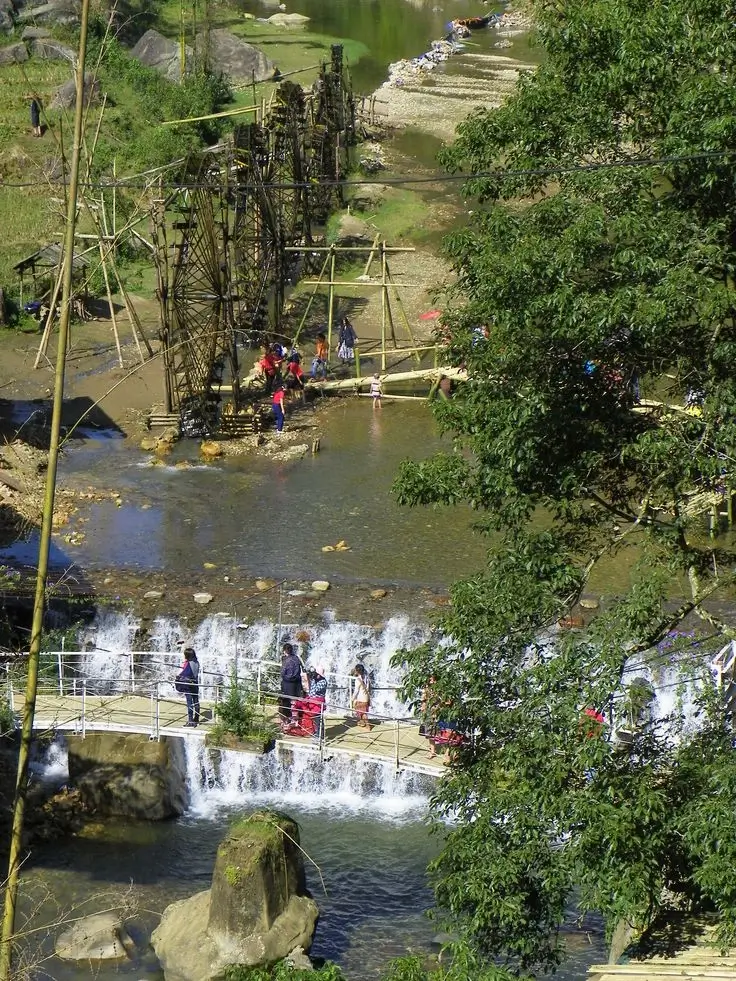
Cat Cat Village — H'mong Ethnic Village in Sapa
Gateway to Sapa’s Ethnic Culture
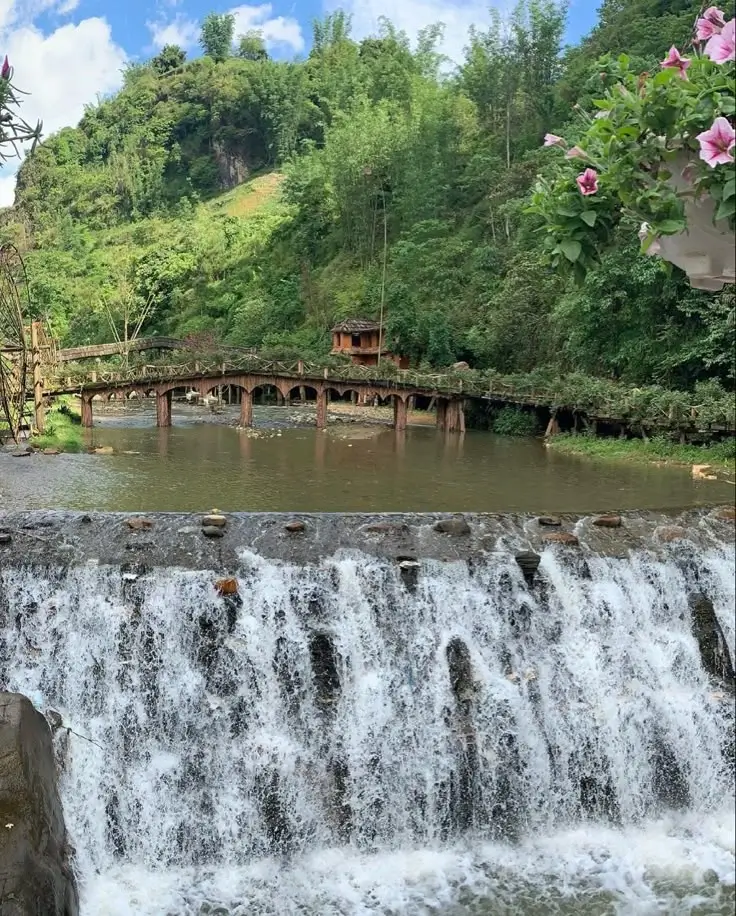
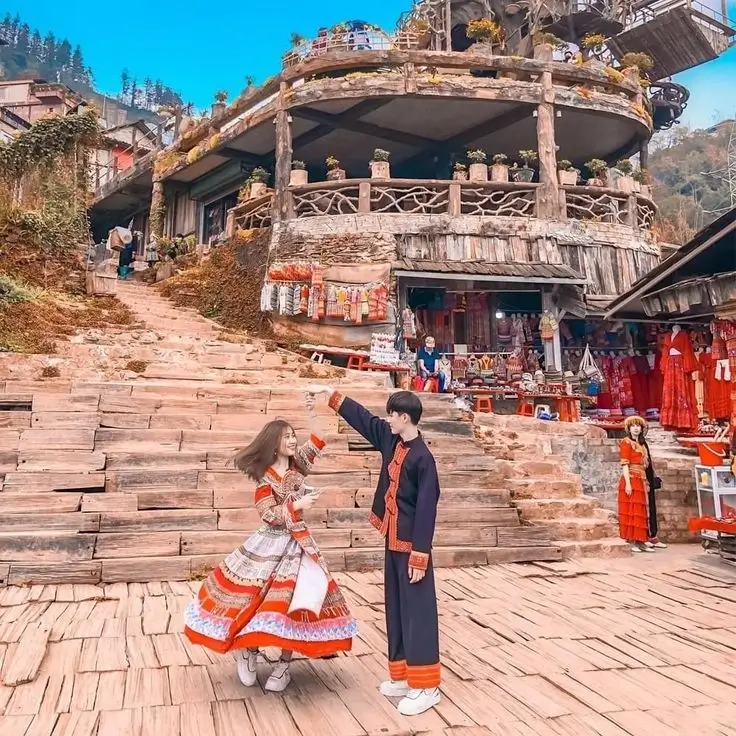
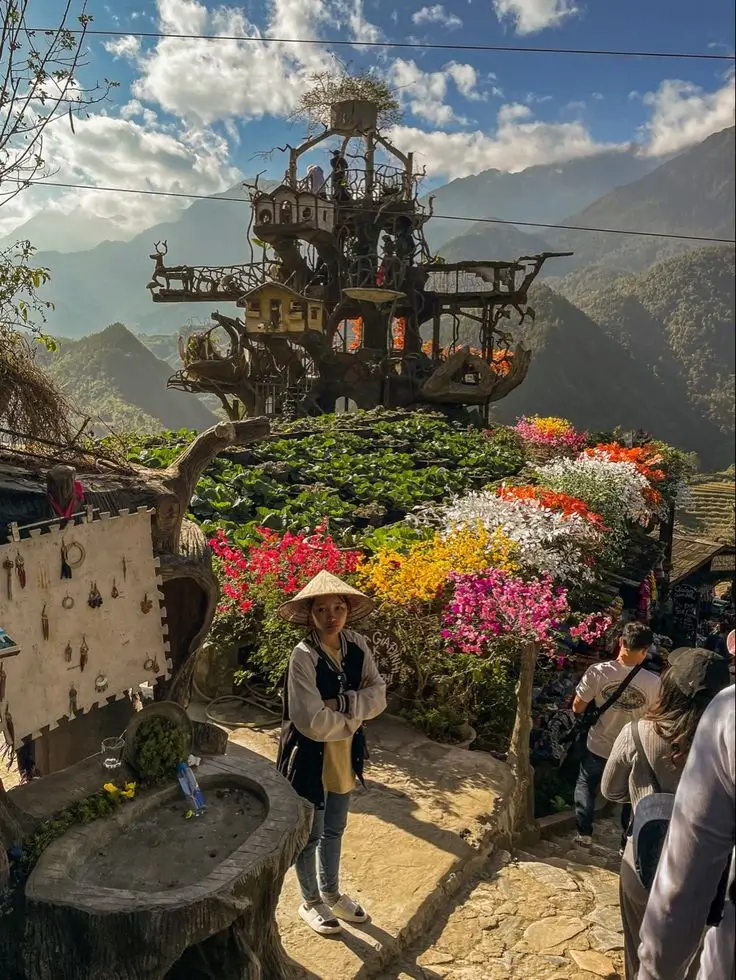
Cat Cat Village is one of the most visited attractions in Sapa and is located just a short distance from Sapa town center. Famous for its scenic rice terraces, wooden houses, waterfalls, and traditional Hmong culture, the village offers a peaceful mountain atmosphere that feels very different from Vietnam’s busy cities. Travelers can walk through small village paths, explore local handicraft shops, enjoy cultural performances, and take photographs with beautiful mountain landscapes in the background. Early morning and late afternoon are the best times to visit for cooler weather and fewer crowds. The village is highly popular among honeymoon travelers due to its misty mountain views and traditional wooden bridges. Local cafés overlooking the valley are also becoming popular spots for Indian tourists looking for peaceful scenery and social media photography. Visitors should carry water, wear comfortable walking shoes, and avoid visiting during heavy rain because the pathways may become slippery.
"Indian travelers especially enjoy Cat Cat Village because it combines light trekking, cultural experiences, and photography in one easy half-day trip. The walking route is manageable for most families and couples, although comfortable shoes are strongly recommended because some paths can be steep while returning uphill".
Fansipan Mountain — The Roof of Indochina
Roof of Indochina.
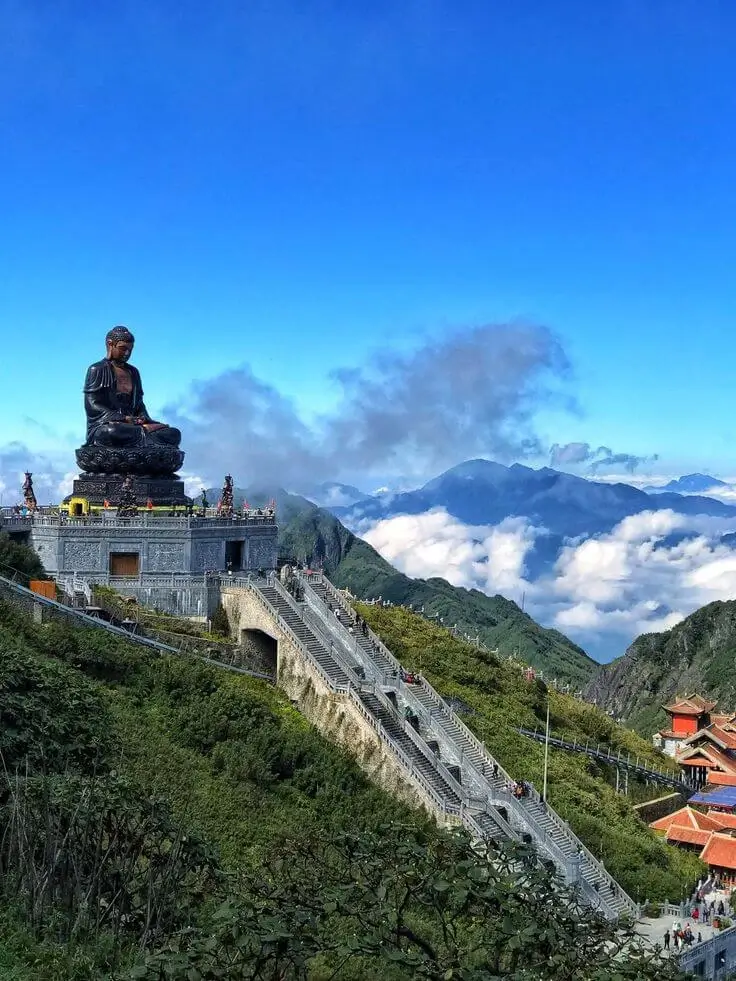
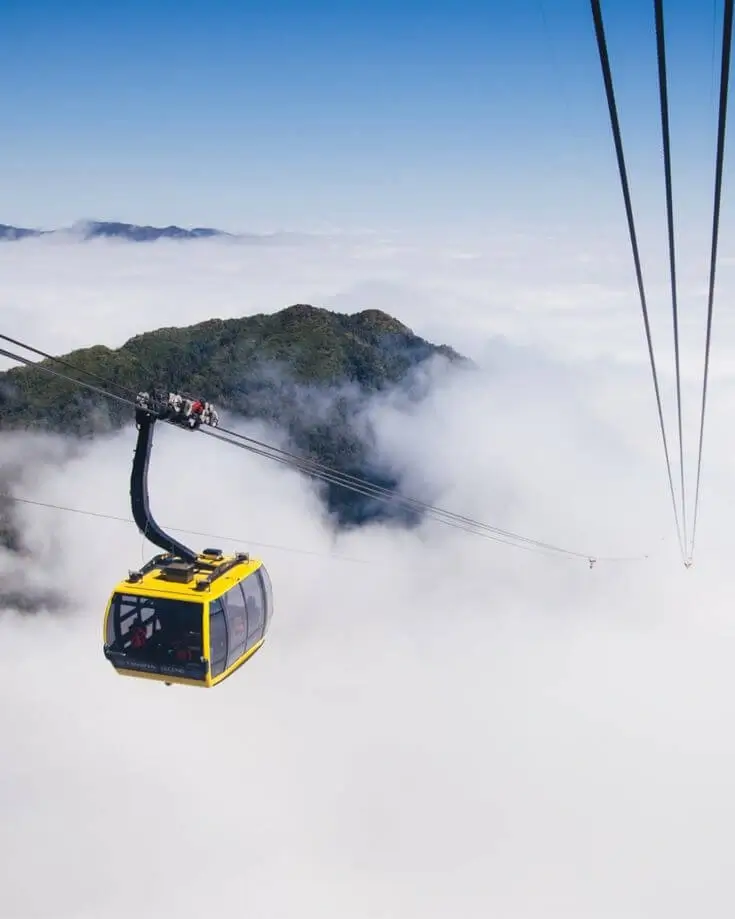
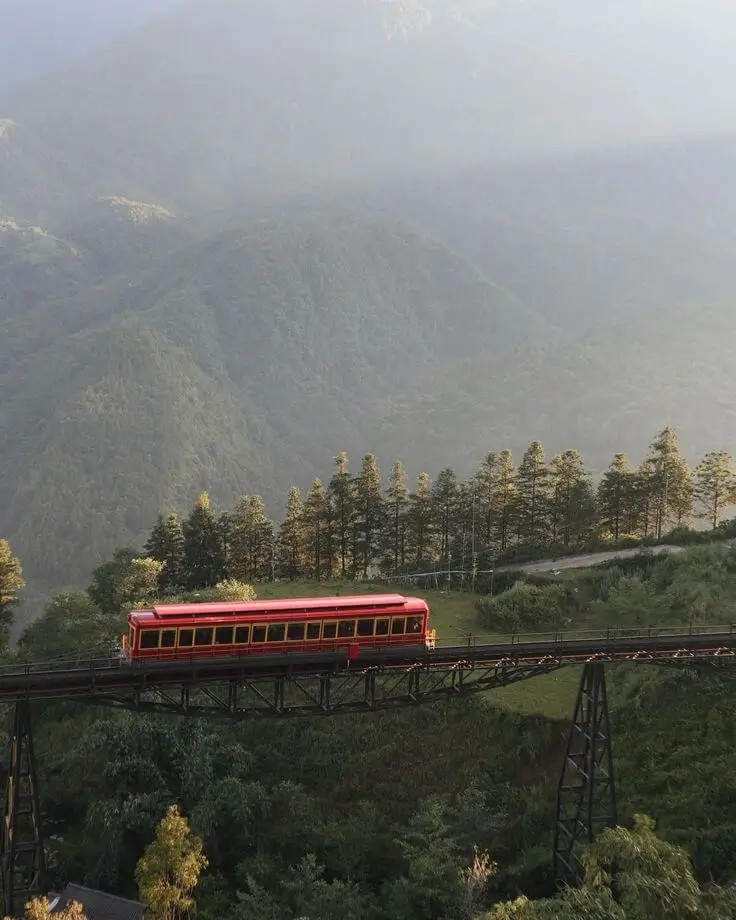
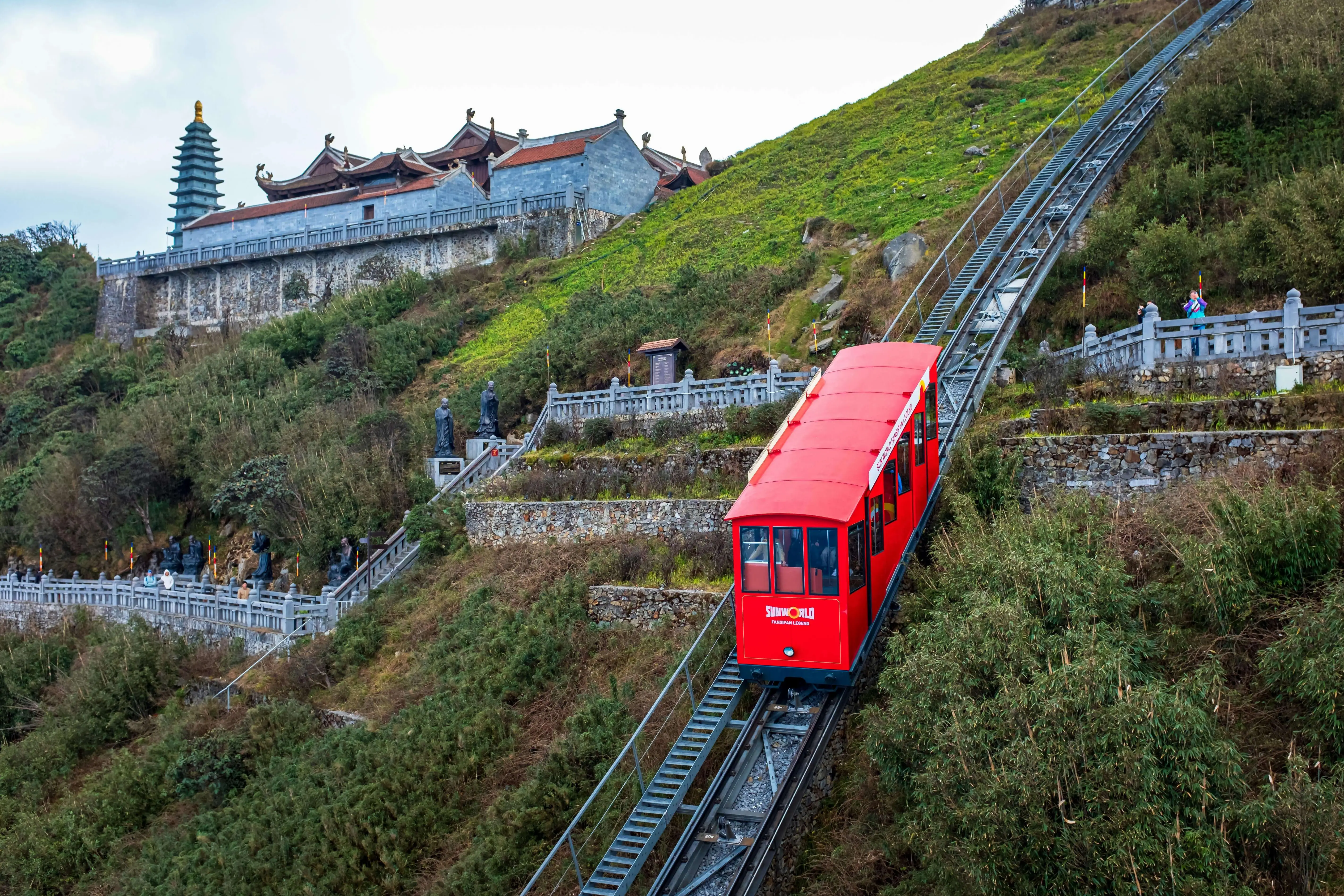
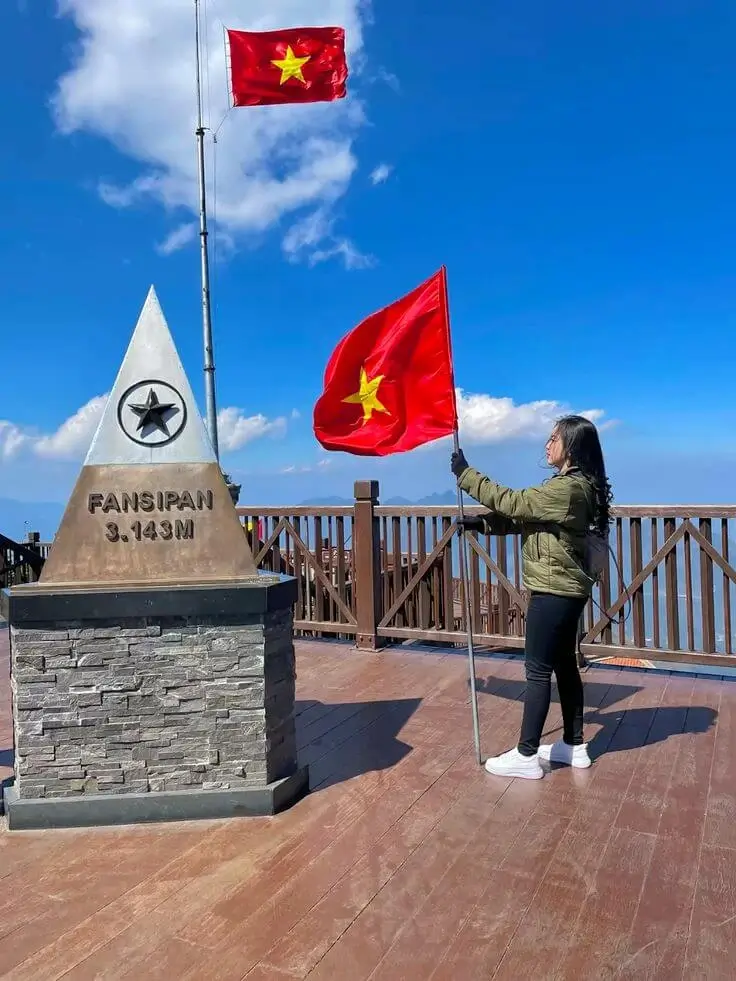
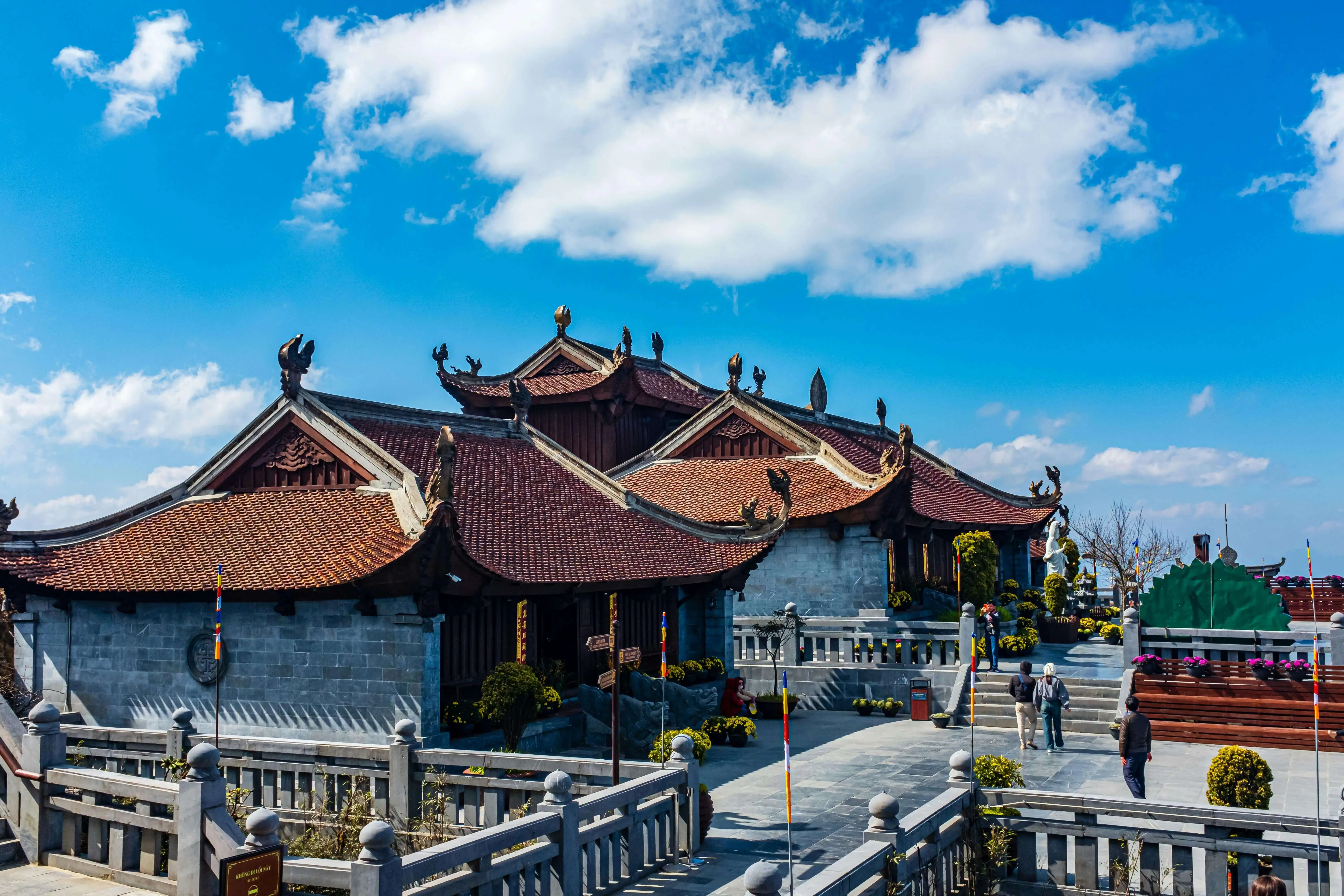
Fansipan Mountain is the highest peak in Vietnam at 3,147 metres and is famously called the "Roof of Indochina." Located near Sapa in northern Vietnam, this destination is loved by Indian tourists for its misty mountain views, green valleys, Buddhist temples, and the record-breaking Fansipan cable car. The 20-minute cable car ride takes you to the summit easily, making it perfect for families, honeymoon couples, kids, and elderly travellers who don't want to trek. At the top, you'll see a giant bronze Buddha statue, peaceful pagodas, and clouds floating below your feet. On clear days, the views of Sapa's rice terraces and Hoang Lien Son mountains are simply stunning. The best time to visit is October to April, especially during sunrise hours when the weather is cool and dramatic. For Indian travellers planning a Vietnam tour, Fansipan in Sapa is a must-visit attraction.
"Indian travelers love Fansipan because it offers a rare mountain-top experience without requiring difficult trekking. The cable car journey, cool weather, panoramic views, and spiritual atmosphere make it especially attractive for families, honeymoon couples, senior travelers, and photographers. Many Indian tourists also enjoy the temple complex and cloud-covered scenery, which feels very different from typical Southeast Asian beach destinations."
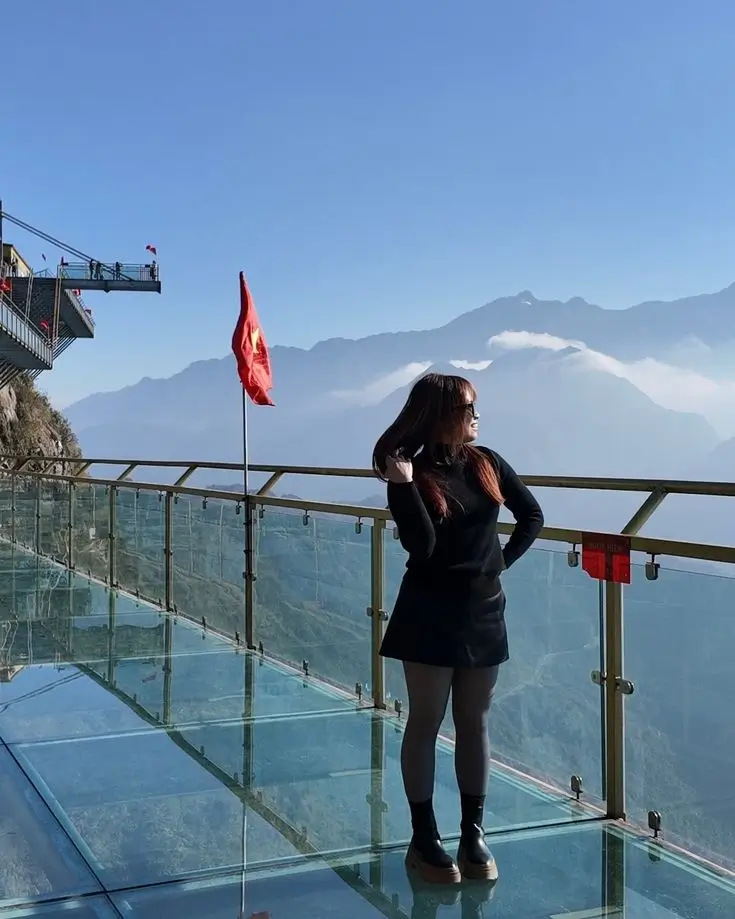
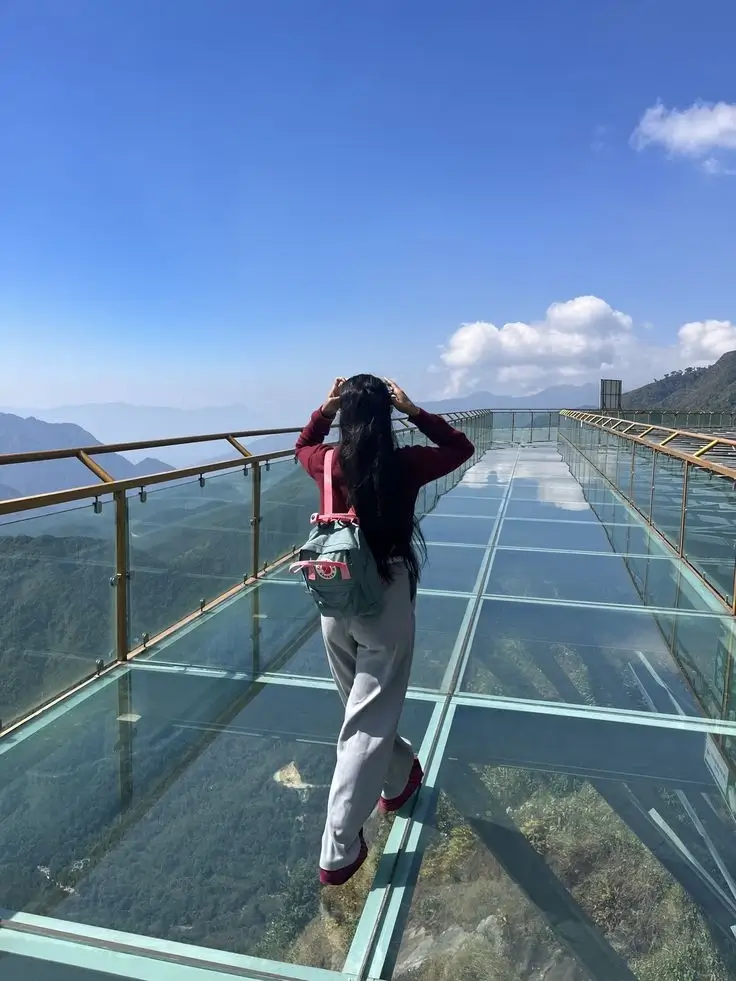
Rong May Glass Bridge — Highest Glass Bridge in Southeast Asia
Experience the "Dragon Cloud" in Sapa
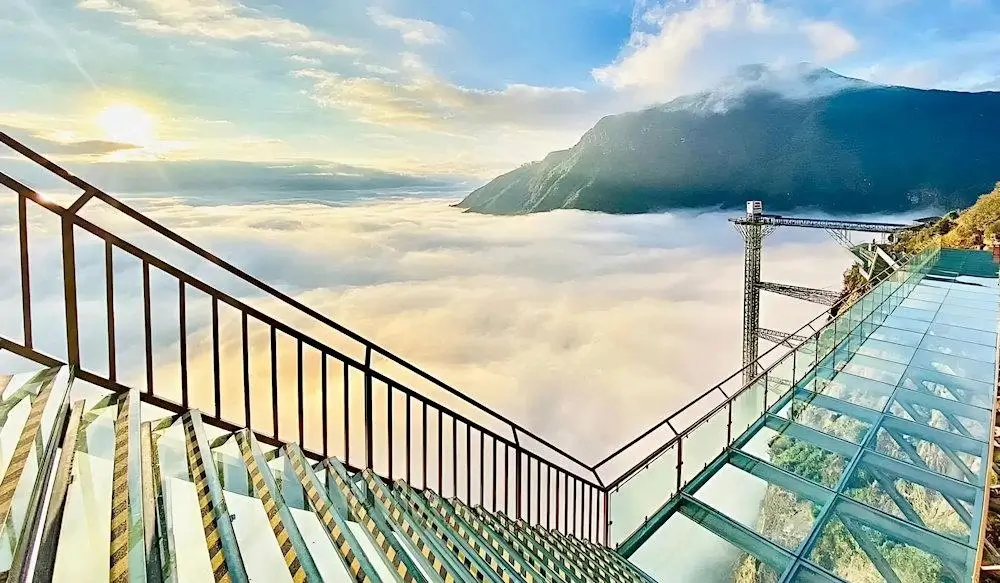
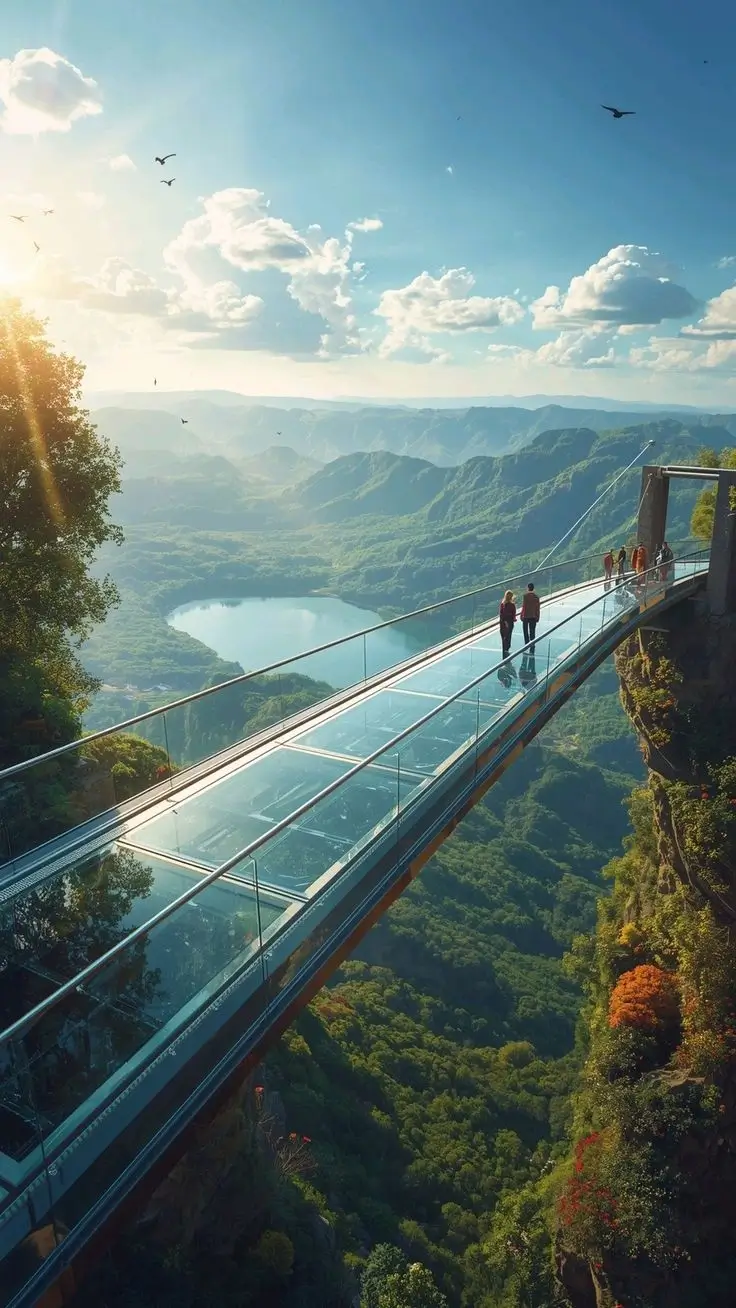
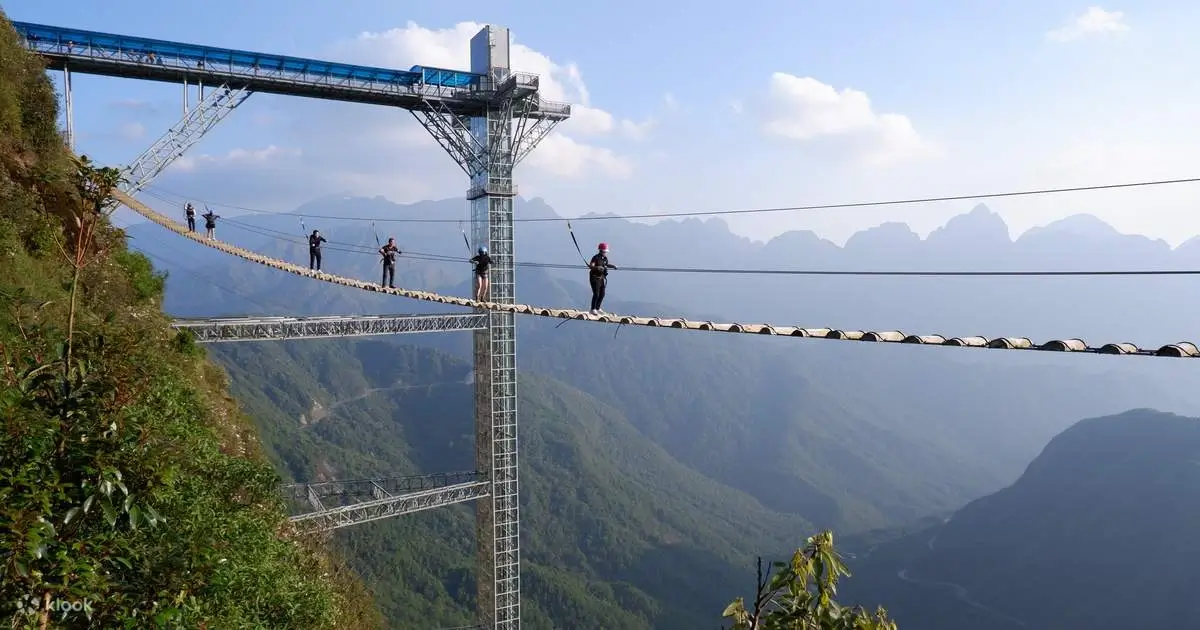
Perched atop the stunning O Quy Ho Pass, just 17km from Sapa, the Rong May Glass Bridge (Dragon Cloud) is a masterpiece of modern engineering. Standing at an altitude of 2,200 meters, it is the highest glass bridge in Southeast Asia. Your adventure begins with a 300-meter high-speed elevator ride through the mountain’s heart, leading to a transparent walkway that extends 60 meters out from the cliffside. As you walk on the reinforced glass, you are treated to a 360-degree panoramic view of the Hoang Lien Son mountain range and the winding "silver" roads below. Whether you are chasing the misty clouds or seeking a rush of adrenaline through bungee jumping and paragliding, Rong May offers an ethereal experience that feels like walking in the sky. It is a pinnacle of Northern Vietnam’s scenic beauty.
For Indian travelers, Rong May offers a "Paisa Vasool" experience, combining world-class infrastructure with affordable luxury. It provides a cool, misty escape from the Indian heat and serves as the perfect Instagrammable backdrop for photos. Since most Indian itineraries include Sapa, this bridge is a convenient, high-thrill addition that rivals European mountain experiences at a much lower cost.
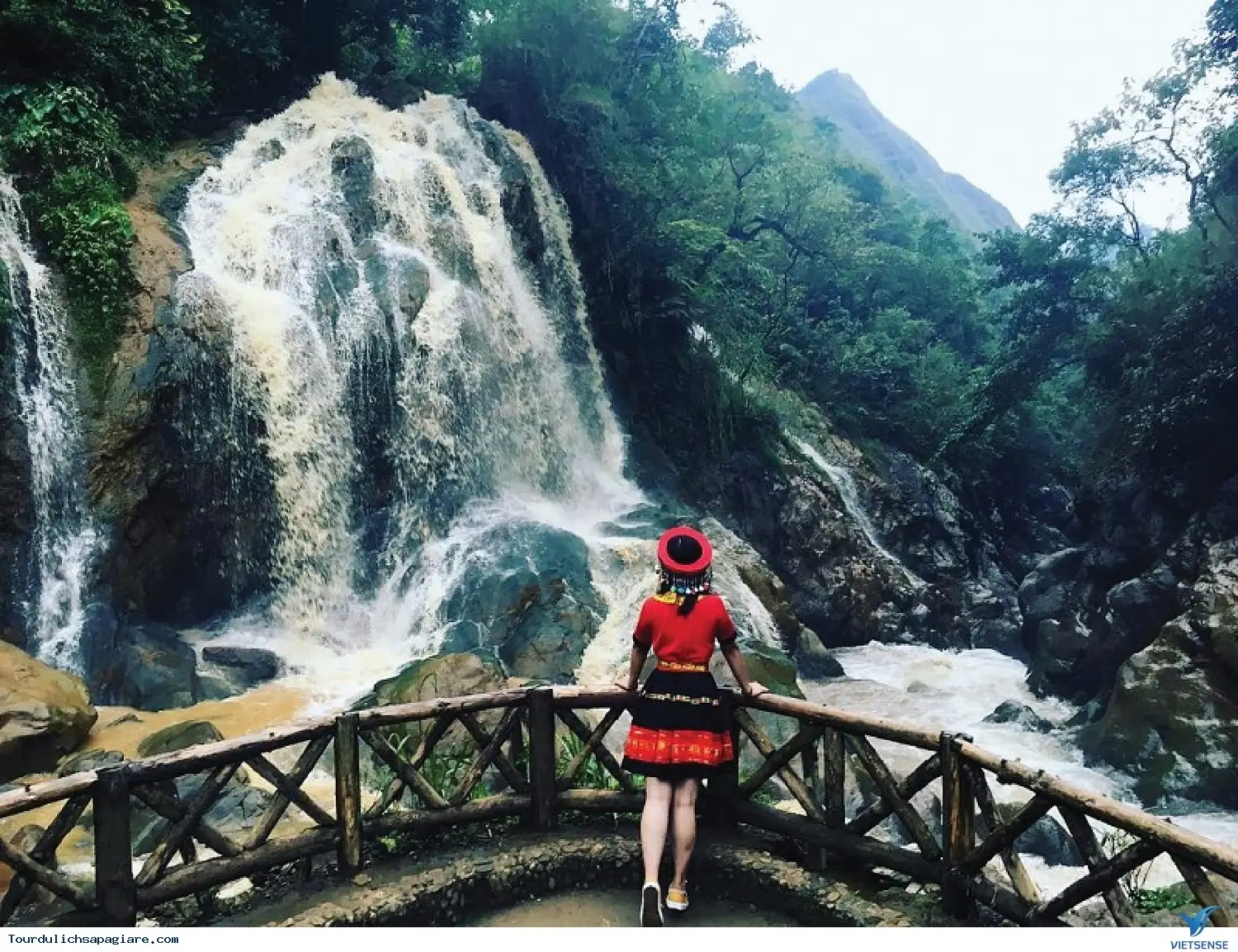
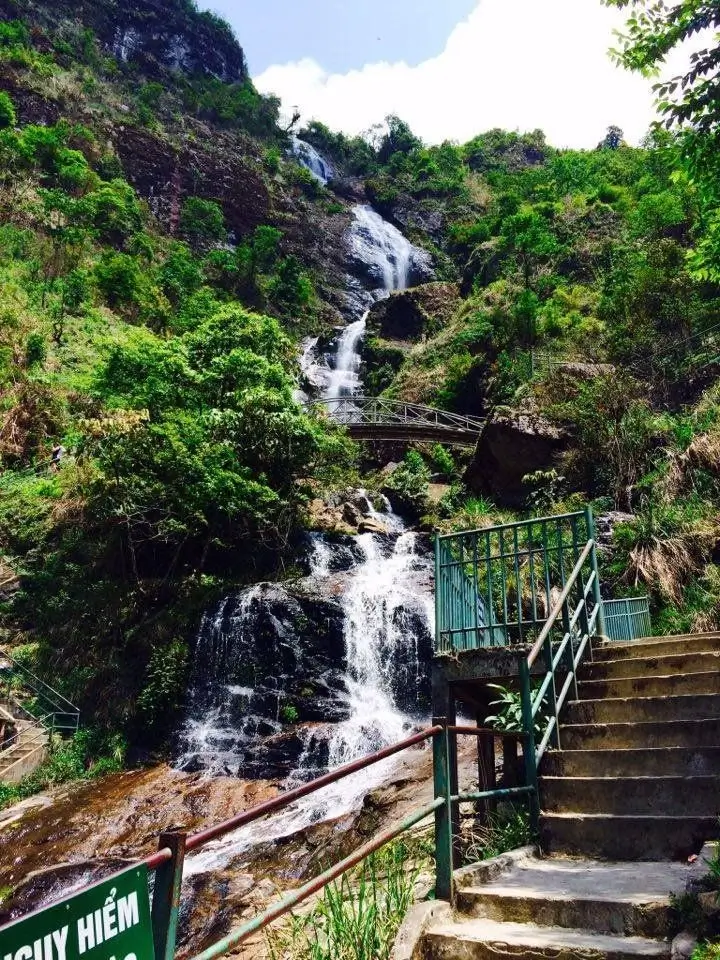
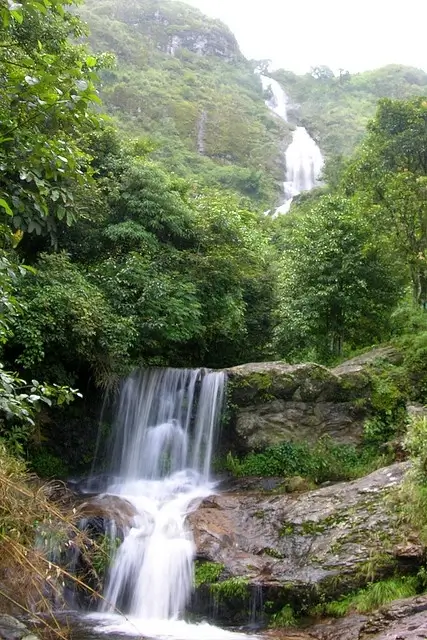
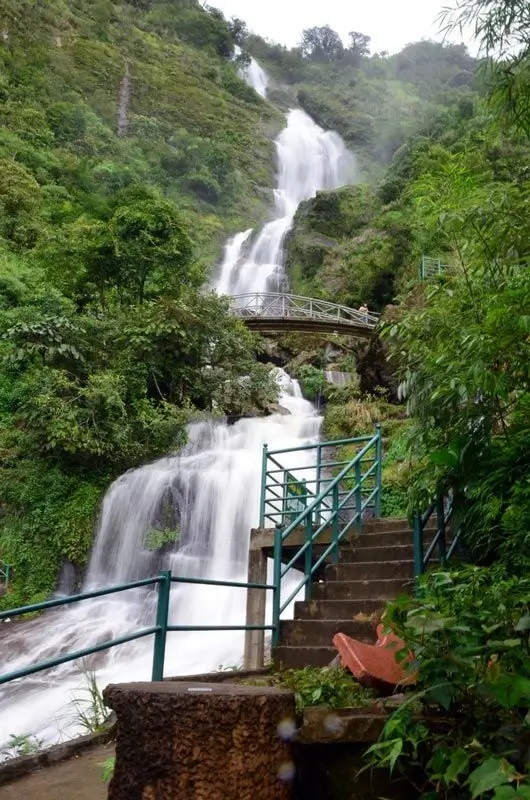
Silver Waterfall (Thác Bạc) — 200m Cascade Near Sapa
Sapa’s Must-See Roadside Wonder
If you’re heading out of Sapa town, you can’t miss the Silver Waterfall, or "Thác Bạc" as the locals call it. It’s one of the easiest and most beautiful spots to visit because it’s right next to the main road. The water falls from over 200 meters high, looking like a giant silver thread draped over the green mountains. You don’t have to do a long, sweaty trek to see this one; you just walk up a set of stone stairs. There’s a cool bridge halfway up where you can stand and feel the cold mountain mist on your face. It’s a great place to stop, take a few deep breaths of fresh air, and get some amazing photos of the valley. It’s simple, natural, and very peaceful.
"For Indian travelers, Silver Waterfall is a great "paisa vasool" (value for money) stop. It costs less than a cup of coffee back home to enter, and you don’t have to walk for hours to see it. If you’ve visited hill stations like Munnar or Mahabaleshwar, you’ll love the vibe here. It’s a very easy, breezy stop that fits perfectly into your Sapa road trip without making you feel tired. "
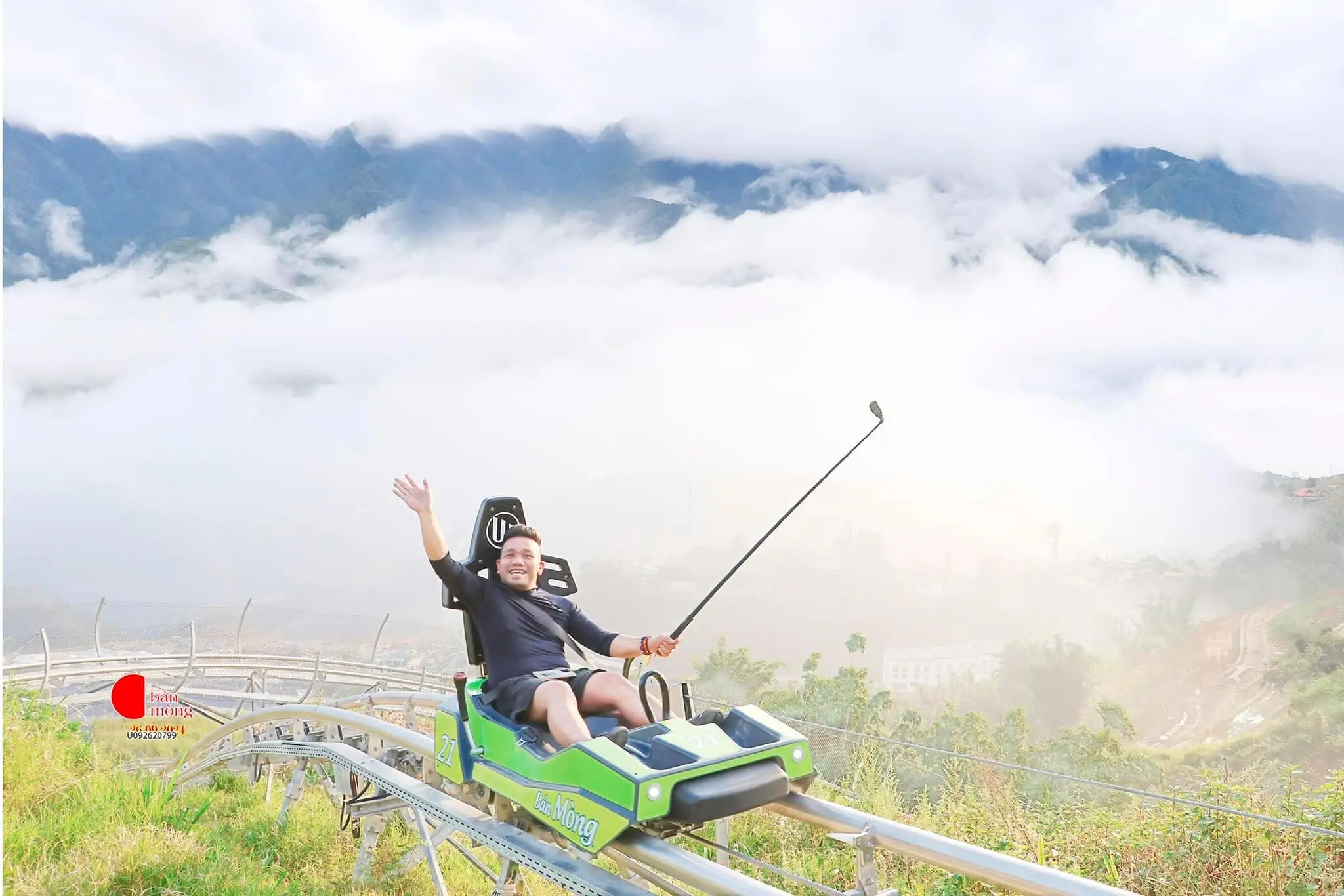
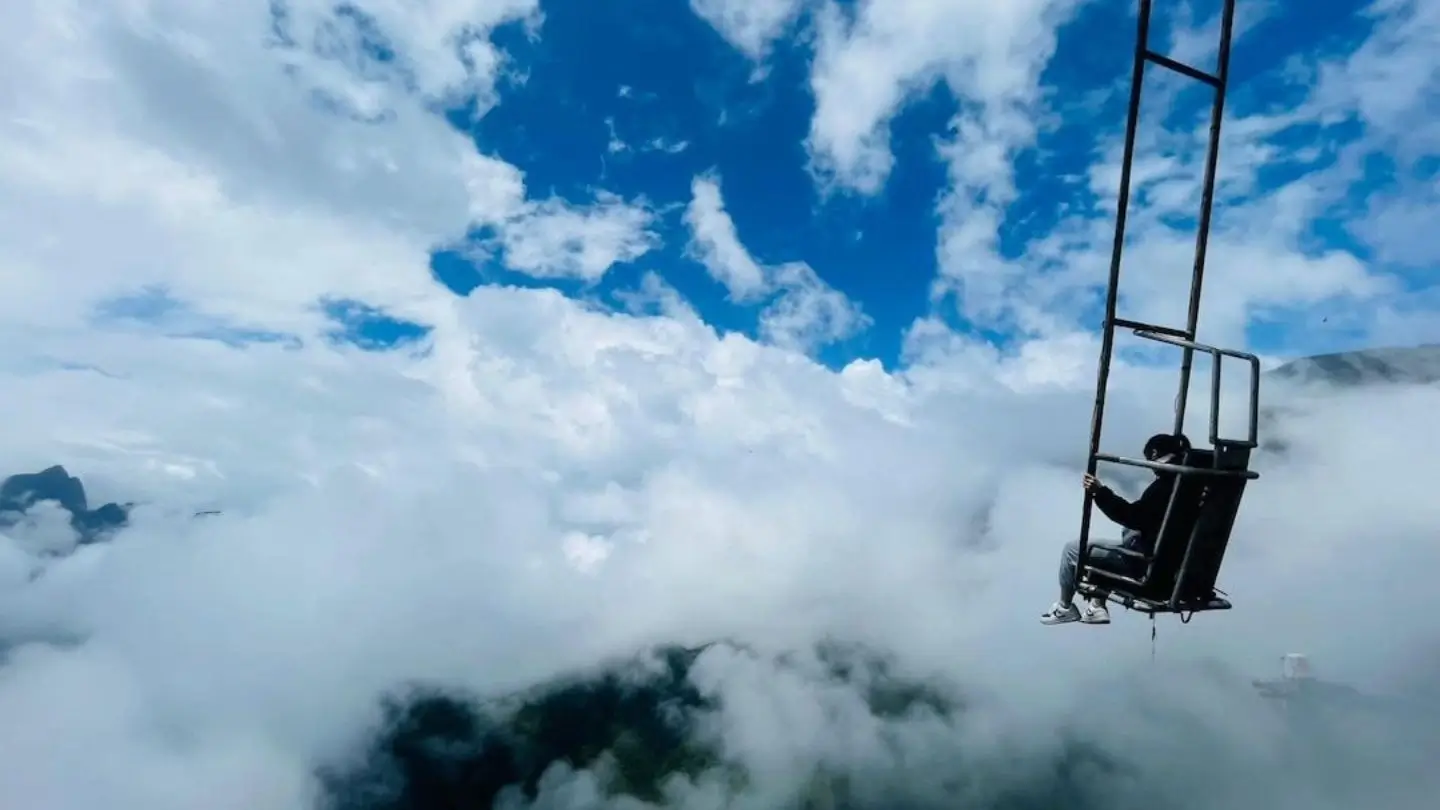
Top Fun Activities & Adventure Sports in Sapa
Enjoy like a Child
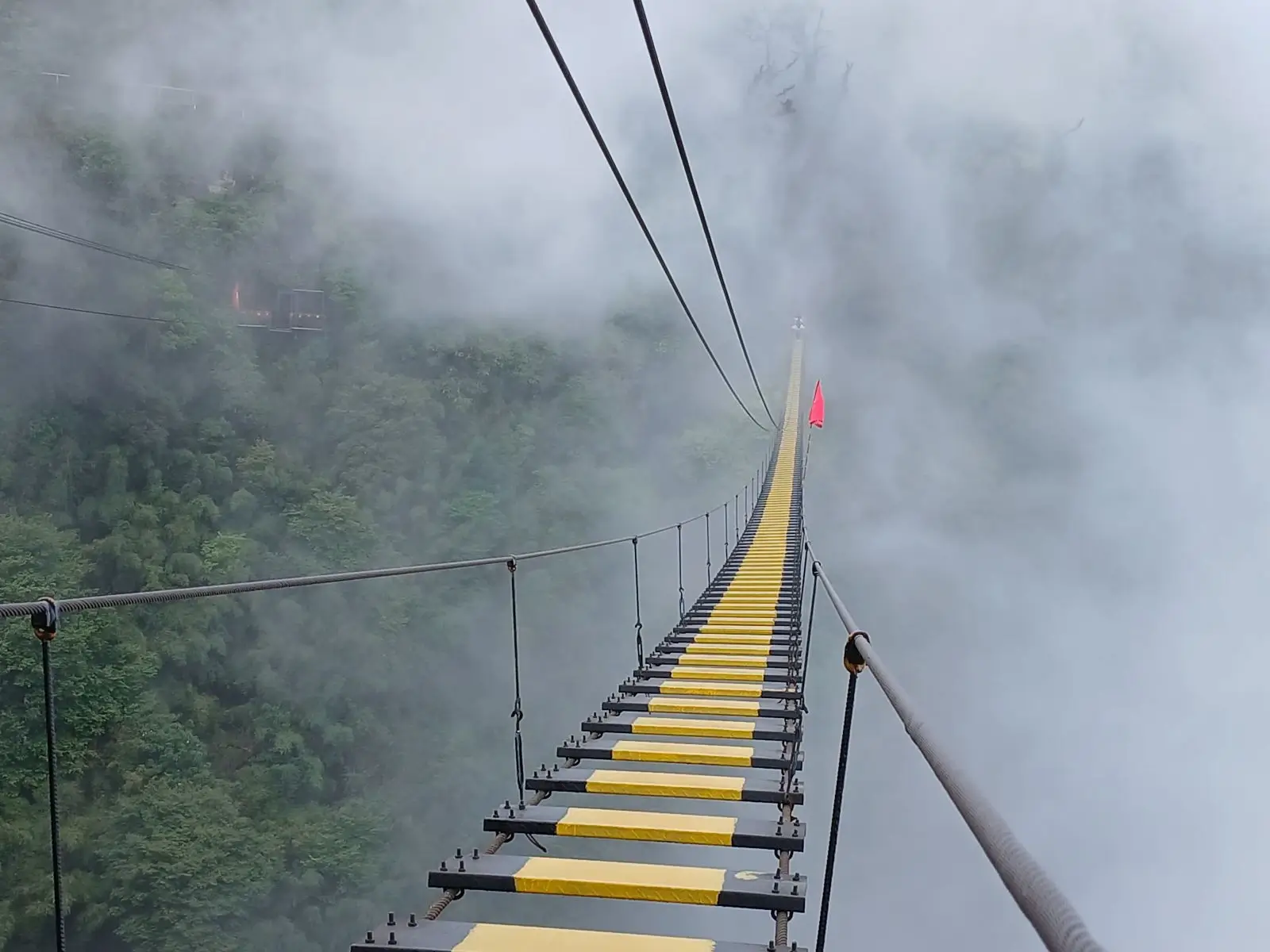
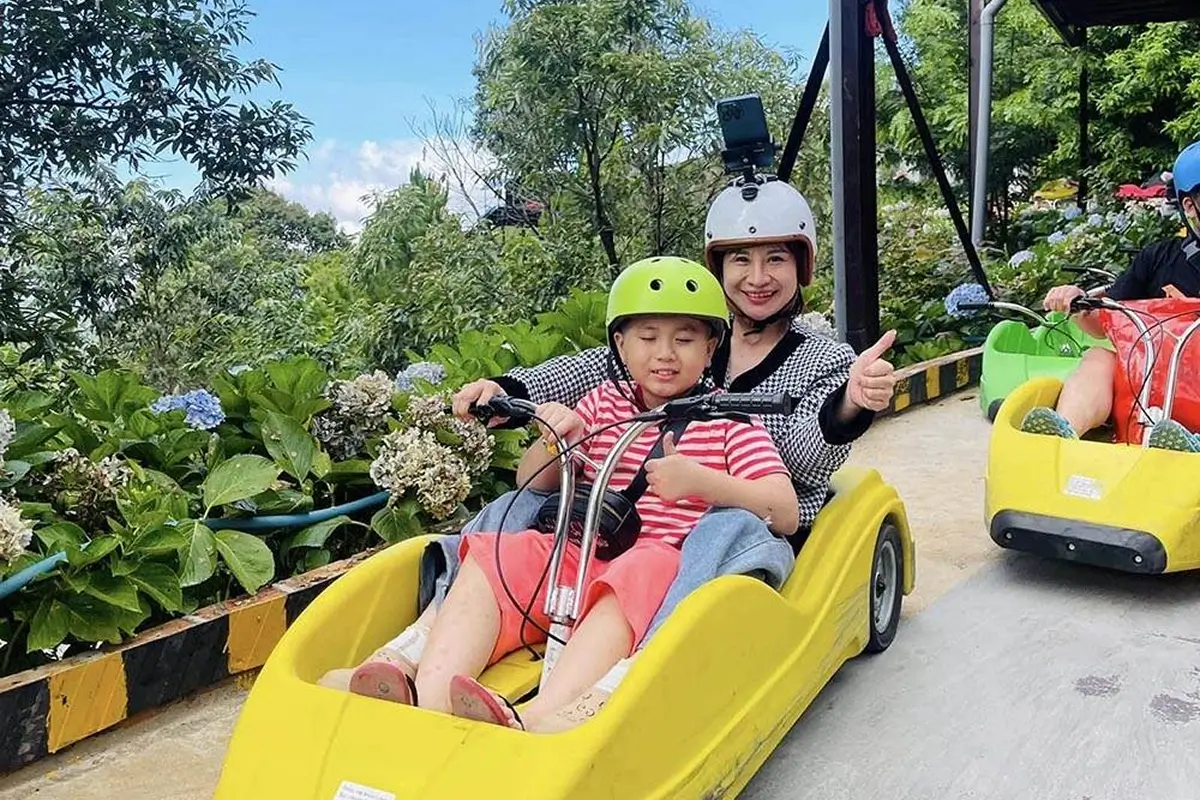
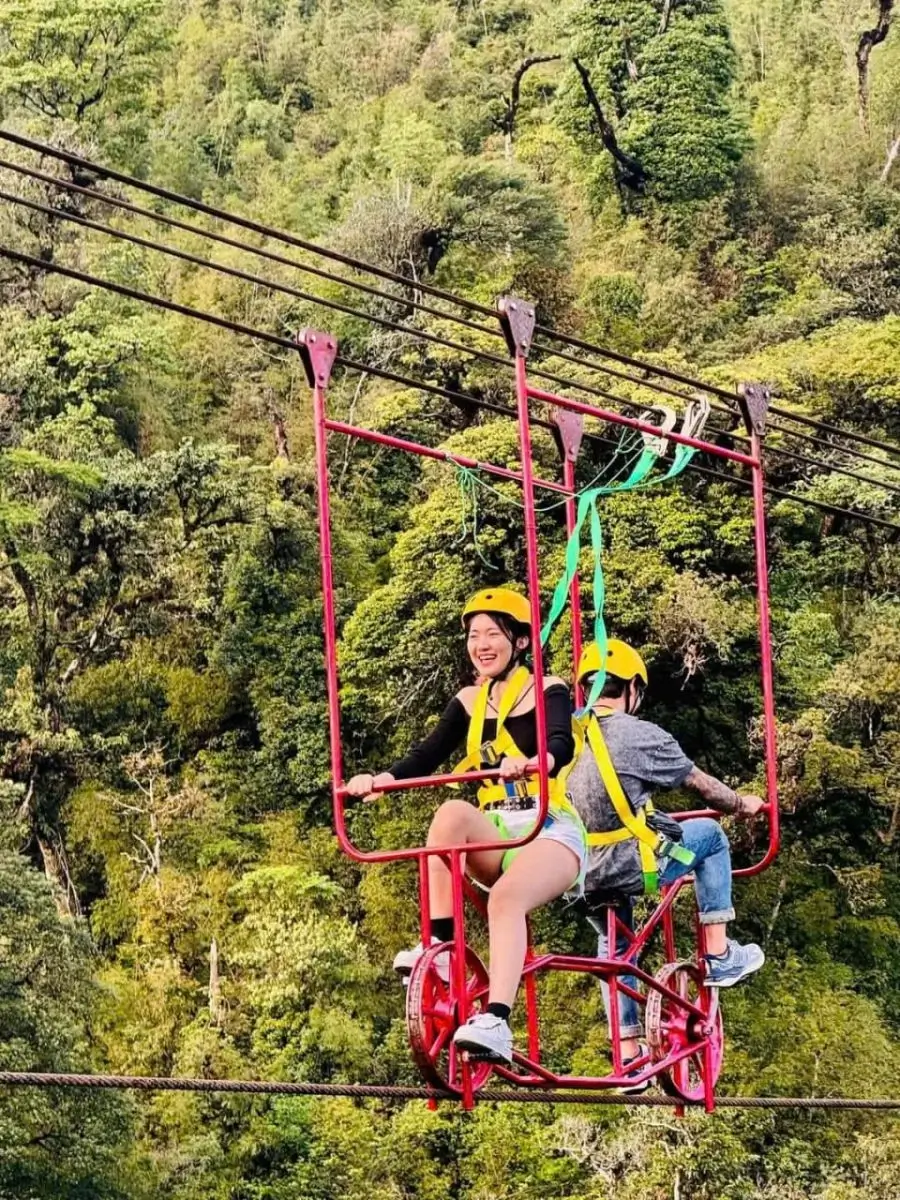
Here are top fun activity you must try in sapa
All meals, activities (kayaking, caves, tai chi, cooking class), and guide services are included — only alcohol and spa cost extra. The boats themselves range dramatically in quality and price.
Price: ~200,000 – 250,000 VND ($8 – $10)
Price: ~100,000 – 150,000 VND ($4 – $5)
Price: ~150,000 – 200,000 VND ($6 – $8)
Price: ~160,000 VND ($6)
Price: ~160,000 VND ($6)
Price: ~500,000 VND ($20)
Price: ~160,000 VND ($6)
Price: ~150,000 – 250,000 VND ($6 – $10)
Price: ~160,000 VND ($6)
Sapa Town vs. Muong Hoa Valley — Which One Should Travelers Choose?
Most Indian travelers stay in Sapa Town because it’s convenient, has the best hotels, and is close to Indian restaurants. However, if you are looking for those "postcard" views of rice terraces and a quiet mountain vibe, the Muong Hoa Valley (home to villages like Ta Van and Lao Chai) is where you want to be. Both offer very different experiences.
| FEATURE | SAPA TOWN | MUONG HOA VALLEYY |
|---|---|---|
| LOCATION | Lào Cai Province, Northeast Vietnam | Lào Cai Province, Northeast Vietnam |
| STAY TYPE | Luxury & budget hotels & boutique resorts | Authentic homestays & mountain lodges |
| INDIAN FOOD | Very Easy – Several Indian restaurants nearby | Limited – Mostly local veg dishes & tofu |
| SCENERY | City views, lake views, and Fansipan peak | Stretching rice terraces and bamboo forests |
| ACCESSIBILITY | Very Easy – Walkable and lots of taxis | Requires trekking or a 30-minute taxi ride |
| PRICE RANGE | ₹3,000 – ₹15,000 per night | ₹1,500 – ₹8,000 per night |
| INDIAN VERDICT | Best for comfort and luxury | Best for photography and peace |
Which Location Is Better for Indian Families?
For Indian families, especially those traveling with kids or elderly parents, Sapa Town is the clear winner. The logistics are much smoother—you have easy access to pharmacies, paved roads, and a variety of food options (crucial if someone in the family is a picky eater). Most importantly, you are closer to the Fansipan Cable Car station, which is usually the highlight for families.
Which is Better for Honeymoon Couples?
If you are on your honeymoon, we highly recommend staying in the Muong Hoa Valley. While Sapa Town is fun, it can be noisy with construction and traffic. In the valley, you’ll wake up to the sound of a flowing stream and a view of the golden rice fields right outside your window. It’s much more romantic, private, and offers the "authentic Vietnam" feel that Sapa Town has lost.
Cabin bus Secret:Ask for the "VIP Cabin Bus" or "Limousine Van." The cabin buses have lie-flat beds with curtains, which are a total life-saver for the 6-hour journey. It feels like a private mini-hotel on wheels!
Ready-to-Eat Backup: While Sapa has great Indian restaurants like Little India or Sapa Indian, if you are staying in a remote village homestay, carry a few "ready-to-eat" poha or noodles packets. Most homestays are happy to provide hot water.
Sapa Quick Facts
Essential information for planning your Sapa trip
Food Guide for Indian Travelers
Sapa's mountain cuisine is hearty, warming, and built for cold weather — think smoky grilled meats, herbal hotpots, and rice cooked inside bamboo. Vietnamese flavors mix with H'mong and Dao ethnic traditions, while Sapa Town itself has surprisingly good Indian restaurants for when you crave a hot dal-chawal after a day on the mountain.
Must-Try Sapa Dishes
Bamboo Rice (Cơm Lam)
25,000–50,000 VND (~₹90–180)
Sticky rice cooked inside hollow bamboo tubes over open fire. Fragrant, smoky, and a Sapa signature. Often served with sesame salt or grilled meat. 100% vegetarian-friendly.
Salmon Hotpot (Lẩu Cá Hồi)
350,000–600,000 VND (~₹1,250–2,150)
Sapa farms its own cold-water salmon. Hotpot version comes with fresh greens, mushrooms, and herbs in a tangy broth. Perfect for cold evenings — best shared by 2–4 people.
Thang Co (Thắng Cố)
80,000–150,000 VND (~₹290–540)
The most famous H'mong dish — a slow-cooked horse meat stew with 12 mountain herbs. Adventurous eaters only. Strict vegetarians and Hindu travelers should skip this one.
Grilled Black Pork (Lợn Cắp Nách)
200,000–400,000 VND (~₹720–1,430)
"Armpit pig" — small free-range pigs raised by H'mong villagers, grilled over charcoal with chili and forest leaves. Smoky, lean, and a Sapa Town specialty.
Banh Mi Chay (Veg Sandwich)
20,000–35,000 VND (~₹72–125)
Baguette with tofu, pickled vegetables, herbs, and chili. Ask for no pâté. Found at cafés near Sapa Lake and the night market.
Bun Chay (Veg Vermicelli Bowl)
45,000–70,000 VND (~₹160–250)
Room-temperature noodles with lettuce, herbs, fried tofu, and peanuts. Request soy sauce instead of fish sauce. Comforting and light.
Sapa Wild Vegetables (Rau Rừng)
50,000–100,000 VND (~₹180–360)
Stir-fried mountain greens — chayote leaves, fern shoots, wild spinach — picked fresh from the hills. Garlicky and earthy. A must-try vegetarian option.
Apple Mint Tea & Corn Wine
15,000–80,000 VND (~₹54–290)
Hot herbal mint tea is the local welcome drink — perfect for the cold. Adventurous travelers can try Sán Lùng corn wine, a local H'mong moonshine. Skip if you don't drink alcohol.
Top Vegetarian Restaurants
| Restaurant | Type | Price Range | Address |
|---|---|---|---|
| SU - Sapa Vegetarian Restaurant | 100% Vegan | ₹200–500/person | 03 Suối Hồ, Sa Pa Town, Lào Cai |
| Thong Dong Vegan Kitchen & Cafe | Vegan, herbal tea café | ₹250–550/person | 8B Hoàng Diệu Street (BB Resort Gate), Sapa |
| Healthy Eatery & Beverage | Vegan & Vegetarian | ₹300–700/person | 35 Mường Hoa, Sapa Hills Hotel (1st floor) |
| The Hill Station Signature | H'mong fusion (strong veg menu) | ₹500–1,000/person | 37 Fansipan Street, Sapa Town |
| Anhly Vegan | Family-run Vegan | ₹200–450/person | 397 Điện Biên Phủ Street, Sapa Town |
Indian Restaurants in Sapa
| Restaurant | Specialty | Price Range | Address |
|---|---|---|---|
| Ganesh Sapa Indian Restaurant | North Indian (Veg & Non-Veg), Tandoor | ₹400–900/person | 03 Thác Bạc, Sa Pa Town, Lào Cai |
| Bollywood Spice | North Indian, Fansipan view | ₹400–850/person | 22A Mường Hoa, Sa Pa Town (also listed at 07 Xuân Viên) |
| Namaste Omar's | North Indian & Halal options | ₹350–800/person | Sa Pa Town centre (near Sapa Square) |
| Sapa Halal Restaurant | Indian & Malaysian Halal | ₹400–850/person | Sa Pa Town centre |
Important Notes for Indian Travelers:
- Fish sauce alert: Most Vietnamese dishes contain fish sauce (nước mắm). Say "Không nước mắm" (no fish sauce) when ordering vegetarian.
- Jain food: No dedicated Jain restaurant in Sapa, but Ganesh Sapa and Bollywood Spice can prepare onion/garlic-free meals if you call 2–3 hours in advance. For strict Jain, also consider Healthy Eatery (Sapa Hills Hotel) which grows its own produce. Ask: "Không hành, không tỏi" (no onion, no garlic).
- Safe phrases: "Tôi ăn chay" (I'm vegetarian) | "Không thịt, không cá" (No meat, no fish) | "Không hành, không tỏi" (No onion, no garlic).
- Cold weather food strategy: Sapa gets very cold from Nov–Feb. Order hotpots, hot soups, and herbal teas — they're cheaper than heaters and warm you up properly.
- Fansipan Peak food: Restaurants at the cable car summit are expensive and mostly non-veg. Eat a heavy Indian breakfast in town before heading up, or carry packed snacks.
- Ready-to-eat backup: If staying in a remote valley homestay, carry MTR/poha/instant noodle packets — homestays gladly provide hot water.
- Street food caution: Stick to busy stalls with high turnover. Avoid raw salads and ice from unverified sources. Bottled water only.
3-Day Sapa Itinerary for Indians
Detailed day-by-day breakdown with timings, costs, and Indian traveler tips
- 6:00-6:30 AM: Hotel pickup in Hanoi Old Quarter
- Morning: Arrive in Sapa via the VIP Cabin Bus from Hanoi. Check into your hotel near Sapa Lake.
- Afternoon (Moana Sapa): Head to Moana Sapa, just 2km from the center. It’s a "paisa-vasool" photo spot with the famous Bali Handara Gate and the "Cánh tay khổng lồ" (giant hand) overlooking the valley. It’s perfect for those Instagram reels!
- Evening: Walk around Sapa Town Square and the Stone Church.
- Dinner:Visit Little India or Sapa Indian Restaurant for a comforting North Indian thali or hot dal-chawal to beat the mountain chill.
- Morning (Fansipan Peak): Take the Sun World Fansipan Legend cable car. It’s a world-record ride over the Muong Hoa rice terraces. Explore the pagodas and the Great Buddha Statue at the top.
- Afternoon (Glass Bridge & Waterfall): Take a short 30-minute drive to the Rong May Glass Bridge. If you have the heart for it, walk 2,200 meters above sea level! On your way back, stop at the Silver Waterfall (Thác Bạc) for a quick 30-minute photo session.
- Evening:Relax with a traditional Red Dao Herbal Bath. It’s a local Sapa specialty that uses medicinal mountain herbs to soak away your trekking tiredness.
- Morning (Cat Cat Village): This is a beautiful "black H’mong" ethnic village. Rent a traditional Vietnamese costume (very popular with Indian tourists) and walk through the waterfalls and giant water wheels.
- Afternoon Do some last-minute shopping at the Sapa Market. Look for handmade brocade bags, local cinnamon, or Vietnamese coffee
- Evening Board your luxury limousine van or overnight train back to Hanoi.
Expert Tips to Make Your Sapa Trip Perfect
- Book the "Right" Bus: When coming from Hanoi, specifically ask for the "20-Cabin VIP Bus."
- The Indian Food Strategy: Sapa has great Indian restaurants like Little India and Sapa Indian. Pro Tip: If you are visiting Fansipan Peak, eat a heavy Indian breakfast before you go, as food at the top is expensive and mostly local.
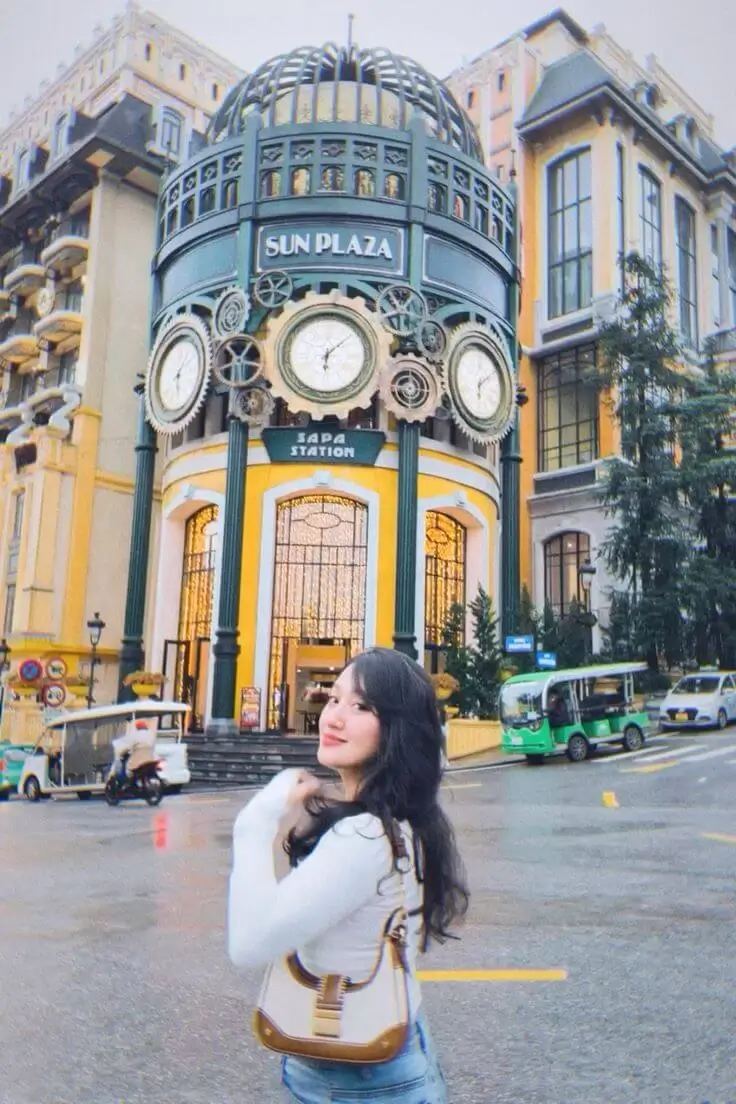
- Fansipan Weather Hack: Check the live camera feed of Fansipan Peak (available at the Sun Plaza station) before buying your ticket. If it’s too cloudy, you won’t see anything. Wait for a clear window—the views of the Himalayas-like peaks are what you’re paying for!
- Stay Near Sun Plaza: For Indian travelers, staying within walking distance of the Sun Plaza (Station) is best. It’s the heart of the town, close to the lake, the night market, and the best restaurants.
Getting to Sapa from Hanoi
Most travelers head to the mountains of Sapa after exploring Hanoi. For Indian travelers, the journey is quite comfortable with several premium options. Here is the breakdown of how to get there. Before you travel, also check our Vietnam visa guide for Indians and India travel guide for full pre-trip planning.
Hanoi to Sapa Town (Direct Options)
| Method | Cost | Duration | Best For |
|---|---|---|---|
| VIP Cabin Bus | ₹1,500 - ₹2,200 /person | 5-6 hours | Couples & families wanting private lie-flat beds. |
| Luxury Limousine Van | ₹1,200 - ₹1,800 /person | 5-6 hours | Best for solo travelers or small groups wanting door-to-door service. |
| Overnight Train | ₹2,500 - ₹4,500 /person | 8 hours (+1h drive) | Best for those who want a "heritage" experience and better sleep. |
| Private Car | ₹8,500 - ₹12,500 /vehicle | 6 hours | Best for large families wanting total flexibility and mid-way stops. |
From Noi Bai Airport Direct to Sapa:
Private transfer:₹9,000 - ₹13,000 per vehicle (SUV/Van).
Indian note: If your flight lands in Hanoi before 2:00 PM, you can head straight to Sapa. Most Cabin Buses can pick you up near the airport "Office" locations just 10 mins from the terminal.
Local Transport in Sapa
| Method | Cost | Notes |
|---|---|---|
| Green Local Taxi | ₹150 - ₹400 | Reliable and metered. Best for short trips to the Lake or Fansipan station. |
| Motorbike Rental | ₹350 - ₹550 /day | Indian licenses are NOT valid. Not recommended due to steep, misty roads. |
| Trekking (Walking) | Free | The best way to see Cat Cat Village or Muong Hoa Valley. |
On Sapa Transport: Pro-Tips:
The Train Reality: The train ends at Lao Cai Railway Station. From there, you must take a 1-hour shuttle bus (₹150) or taxi (₹1,000) to reach Sapa Town.
Important Tip: Avoid booking "Local Sleeper Buses" as they are cramped. Always look for "VIP" or "Cabin" in the title.
Where to Stay in Sapa
90% of Indian travelers stay in Sapa Town for easy access to Indian food and the Fansipan Cable Car. However, staying in the Valley offers a more authentic "mountain retreat" experience. For a fully planned trip including hotels, transport, and meals, see our Sapa tour packages for Indian travelers.
Sapa Town Hotels
Best for: First-time travelers, families with kids/elders, and foodies who want Indian meals nearby.
Budget: Sapa Relax Hotel
₹2,800 – ₹4,500/night
Clean, central, and very pocket-friendly. Great for those who spend all day sightseeing and just need a cozy bed.
Mid-Range: Pistachio Hotel
₹6,500 – ₹11,000/night
The Indian Favorite: Features a famous "infinity pool" overlooking the valley. Very modern and stylish.
Luxury: Hotel de la Coupole
₹15,000 – ₹28,000/night
A high-end MGallery hotel designed like a French palace. Direct access to the Fansipan funicular station.
Why choose Sapa Town: Walking distance to the lake, shopping, and 3+ Indian restaurants. Best infrastructure.
Downside: Can be noisy due to construction and traffic in the town center.
Sapa Valley Lodges & Homestays
Best for: Honeymooners, photography enthusiasts, and those seeking peace away from the crowds.
Budget: Mega View Homestay
₹1,800 – ₹3,200/night
Authentic family-run stay with incredible balcony views of the rice terraces. Very warm hospitality.
Mid-Range: Sapa Jade Hill
₹8,000 – ₹14,000/night
Beautiful stone villas nestled in the hills. Perfect for families wanting a "bungalow" vibe with a fireplace.
Luxury: Topas Ecolodge
₹25,000 – ₹45,000/night
World-Famous: Named by National Geographic. Isolated, eco-friendly bungalows with the best pool in Vietnam.
Why choose Sapa Valley: Wake up to clouds in your room, 100% quiet, and direct access to trekking trails.
Downside: Limited food options (mostly local); requires a 20-30 minute taxi ride to get to town.
Booking Tips for Indians:
- Heaters are Mandatory: Sapa gets very cold from Nov–Feb. Cheap hotels don't have heaters (only electric blankets). Always confirm "Central Heating" or "Aircon with Heat mode" before booking.
- The "View" Tax: In Sapa, you pay for the view. A "Mountain View" room is worth the extra ₹1,000—don't settle for a "City View" or "No Window" room.
- Vegeterian FoodIf staying in the Valley, inform your lodge 24 hours in advance about your dietary needs. In Town, you can easily walk to Little India or Sapa Indian.
- Check for Elevators: Many boutique hotels in Sapa are tall and narrow with no lifts. If traveling with elderly parents, always ask for a "Low floor" or "Elevator access."
- Ideal Duration:2 nights in Town + 1 night in a Valley Lodge is the perfect "paisa-vasool" combination.